CHINESE
MEDICINE
Pain Relief
ACUPUNCTURE FOR PAIN RELIEF
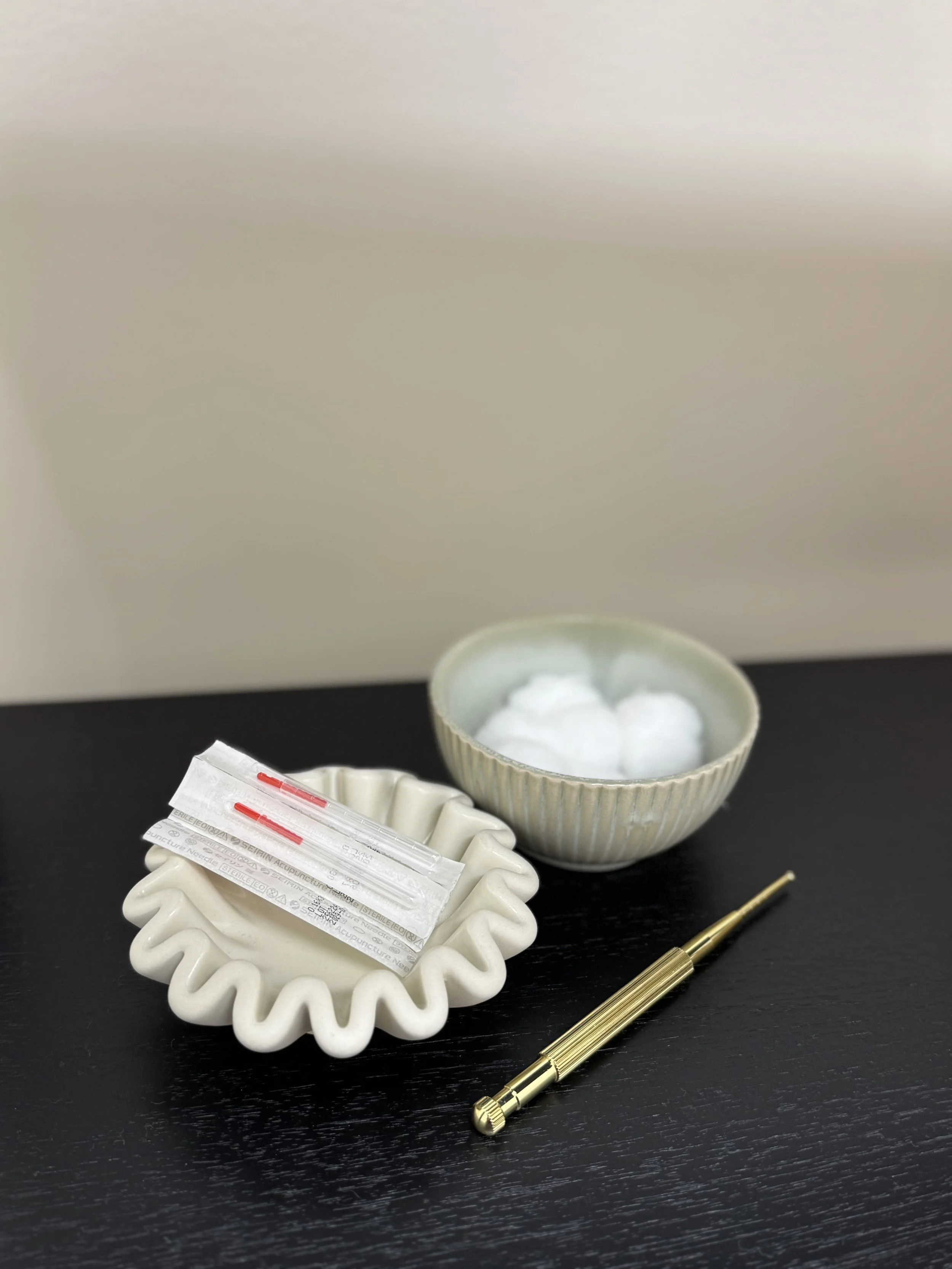
Acupuncture is a gentle, evidence-informed treatment that may help reduce pain, improve movement, and support recovery. It is commonly used for musculoskeletal pain, including low back pain, neck pain, shoulder pain, and osteoarthritis-related pain.
Many people choose acupuncture because they want a drug-free option or a treatment they can use alongside physiotherapy, exercise, or medical care. Recent reviews continue to support acupuncture as a practical option for chronic pain management, although results depend on the condition, treatment plan, and individual response.
How Acupuncture May Help
Acupuncture may influence pain by modulating nervous system signalling, reducing inflammatory activity, and affecting how the brain processes pain. A recent review summarised that acupuncture has a growing evidence base for acute and chronic pain and that its analgesic effects likely involve both local and central mechanisms.
Conditions commonly supported
Acupuncture is often used for:
Low back pain
Knee pain
Neck and shoulder pain
Osteoarthritis pain
Headaches and migraines
Fibromyalgia
Postoperative pain support
What the Research Says
Recent guideline reviews found that a majority of recommendations reviewed supported acupuncture for pain conditions, including osteoarthritis, low back pain, neck pain, and shoulder pain. A 2024 review also concluded that acupuncture has promise for acute and chronic pain and may be a low-risk, non-pharmacological option when delivered by qualified practitioners. A 2024 evidence review on musculoskeletal pain likewise found favourable effects across major pain disorders.
Acupuncture has been around for centuries, and modern research including clinical trials has been studying it for well over 100 years. Today, new studies are still being published every year as researchers continue to look at how acupuncture may help with pain, recovery, cancer support, women’s health, and overall wellbeing.
·
What to Expect
· What to Expect

Your first appointment includes a detailed consultation, acupuncture and a treatment plan tailored to your symptoms, health history, and goals. Many people benefit from a short series of treatments rather than a single session. For acute pain, 2-4 treatments are suggested, while chronic pain often needs a longer course, commonly around 6–12 treatments, depending on the condition and how long the pain has been present.
References
Vickers AJ, et al. Acupuncture for Chronic Pain: Individual Patient Data Meta-Analysis. Archives of Internal Medicine. 2012.
MacPherson H, et al. Acupuncture for Chronic Pain: Update and Strength of Evidence. Pain Medicine. 2017.
Systematic review of clinical practice guidelines on acupuncture for chronic musculoskeletal pain. BMC Complementary Medicine and Therapies. 2025.
Recent review on efficacy of acupuncture for pain management. Journal of Evidence-Based Medicine. 2024.
Recent evidence map on musculoskeletal pain and acupuncture. Frontiers in Medicine. 2024.
Acupuncture for chronic low back pain: systematic review and meta-analysis. NIH/PMC. 2026.
Effectiveness of acupuncture for neck pain: systematic review. PubMed. 2025.
Acupuncture for neuropathy, cancer pain, anxiety and more. MSKCC. 2025.
Acupuncture in cancer care: recommendations for safe practice. PMC. 2024.
Acupuncture during cancer treatment: what to know. MD Anderson. 2025.